The images left by the latest forest fires in Catalonia, particularly those in Les Gavarres, Sentmenat and Anoia, as well as the major wildfire between Santa Maria del Mar and Canet de Rosselló in Northern Catalonia, have once again brought to the forefront the debate on how to protect people and homes located in forested areas.
For Grup Boix, a company specialising in forest management and wood processing, these events provide an opportunity to highlight a reality widely acknowledged by forestry professionals: the best defence against a major wildfire does not begin when the flames appear, but much earlier, through active, sustainable and continuous forest management.
“The prevention of major wildfires cannot rely solely on firefighting capacity. There is growing consensus that the first line of defence is built by managing the land, reducing forest fuel loads and maintaining forests that are more resilient to climate change,” says Carles Martí, General Manager of Grup Boix.
A forested territory facing a new climate scenario
Catalonia is now a predominantly forested territory. More than 64% of its land area—around 2.1 million hectares—is covered by forests and other woodland. This natural heritage represents a major environmental and economic opportunity, but also an increasing challenge in the face of climate change.
Rising temperatures, prolonged droughts and the accumulation of forest fuel are contributing to increasingly intense and difficult-to-control wildfires. The Catalan Fire and Rescue Service (Bombers de la Generalitat) has been warning for some time that Catalonia is facing an increasing number of sixth-generation wildfires—extreme fires capable of altering atmospheric conditions around them and, under certain circumstances, exceeding the suppression capacity of emergency services.
In this context, Grup Boix believes that prevention plays an even more important role. Forest management helps reduce the continuity of combustible vegetation, creates landscapes that are more resilient to climate change and makes the work of emergency services easier when a wildfire occurs.
A strategy the sector has been calling for over many years
The company recalls that earlier this year it welcomed the new Sustainable Forest Management Strategy presented by the Government of Catalonia, which places forest management at the heart of the country’s long-term public policy.
Among the main measures are increased investment in forest management, the creation of new wildfire containment corridors, the strengthening of Priority Protection Perimeters, the adaptation of forests to climate change and the promotion of the bioeconomy and locally sourced timber as strategic resources.
“The forestry sector has long argued that major wildfires must be tackled long before flames appear. We welcome the fact that this vision is now also being reflected in public policy, because forest management is an investment in safety, sustainability and the future,” says Martí.
Beyond construction materials
According to Grup Boix, the recent wildfires also demonstrate that the debate on protecting homes in forested areas should not focus exclusively on construction systems or the materials used.
“We deeply regret the impact these wildfires have had on people, homes and businesses. However, we believe it is a mistake to focus the debate on whether a house is built from timber, concrete, steel or any other material. A home’s ability to withstand the impact of a wildfire depends above all on the conditions of its immediate surroundings and on the way the surrounding landscape is managed,” says Carles Martí, General Manager of Grup Boix.
The experience accumulated by wildfire prevention and firefighting professionals shows that the intensity with which fire reaches a building is directly related to the amount and continuity of combustible vegetation surrounding it. When forests, access routes and protection strips are properly managed, the risk of a wildfire seriously affecting homes is significantly reduced, regardless of the materials used in their construction.
For this reason, Grup Boix believes that the priority must be to act where the risk is generated. “If a house located next to a forest is damaged by a wildfire, the main cause is not the material from which it is built, but the lack of forest management and maintenance of the surrounding environment, which allows the fire to reach it with high intensity. If we focus the debate on factors that are not the root of the problem, we risk diverting resources and efforts away from the measures that genuinely reduce risk,” says Martí.
The configuration of the immediate surroundings, reducing forest fuel loads, maintaining the undergrowth, creating protection strips, extensive grazing and continuous forest management are all decisive factors in reducing the intensity with which fire reaches homes and in facilitating the work of emergency response teams.
For this reason, the company advocates a comprehensive approach to prevention, based on land management, the valorisation of forest resources and the development of a bioeconomy capable of turning forest stewardship into economic activity, employment and local industry.
Managing today to protect tomorrow
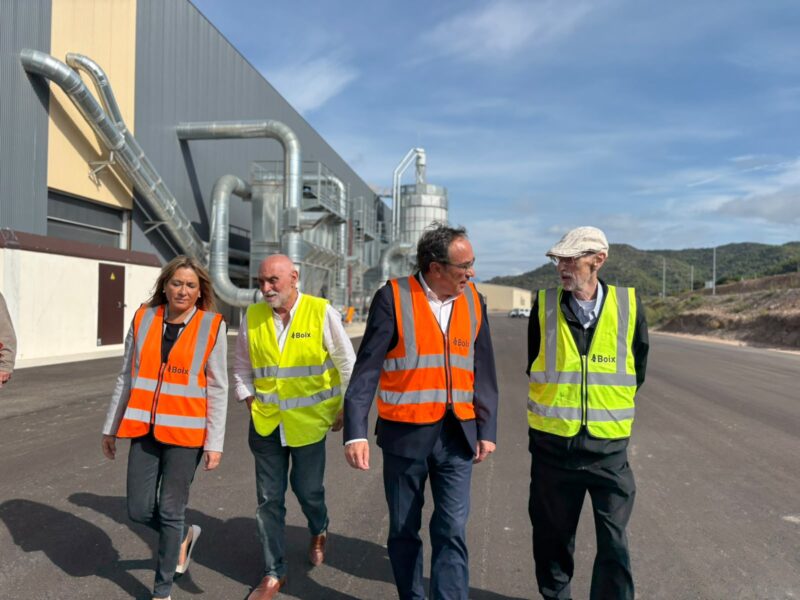
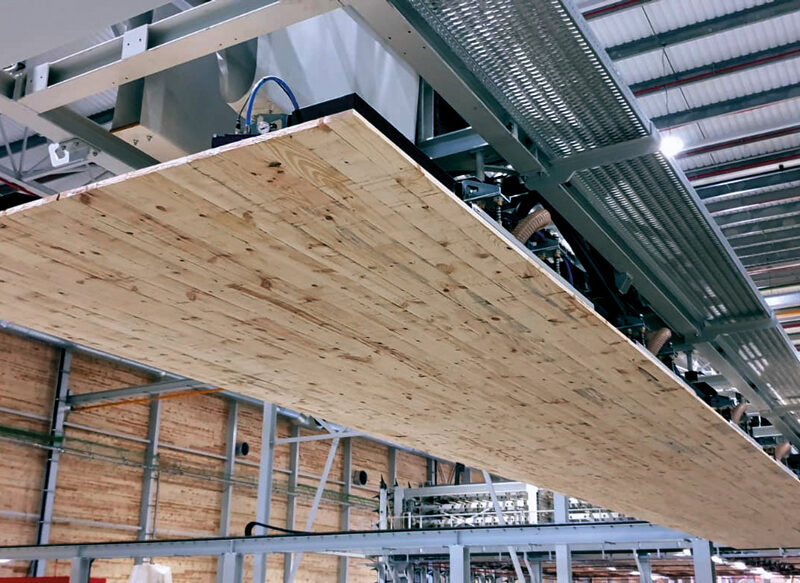
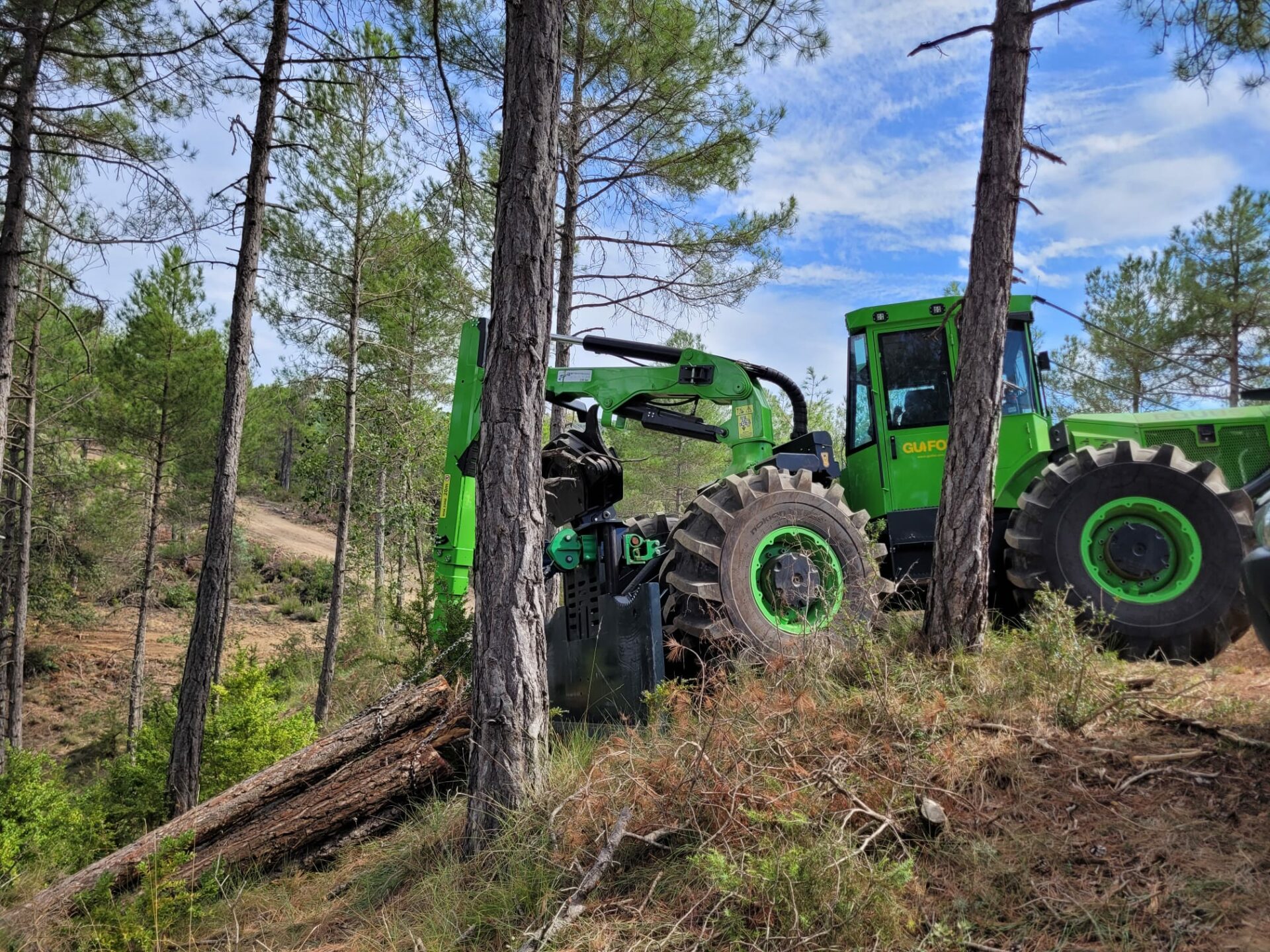
With more than fifty years of experience in forest management, Grup Boix advocates a model that connects sustainable forest management with industrial wood processing and sustainable construction, demonstrating that wildfire prevention and the responsible use of forest resources are part of the same strategy.
“Our experience shows that there is no better firebreak than a well-managed forest. Major wildfires are not only extinguished when they occur; they are prevented throughout the year. That is the best investment we can make to protect our territory, our people and the forests we will leave to future generations,” concludes Carles Martí.